
-
×
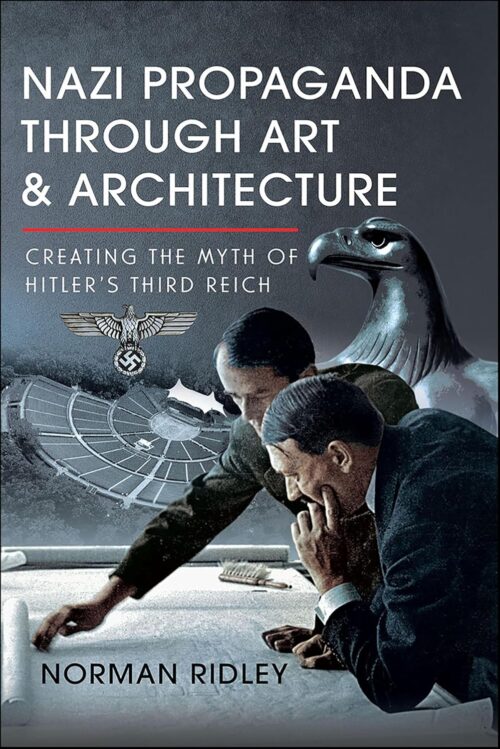 NAZI PROPAGANDA THROUGH ART AND ARCHITECTURE
Creating the Myth of Hitler’s Third Reich
1 × £5.99
NAZI PROPAGANDA THROUGH ART AND ARCHITECTURE
Creating the Myth of Hitler’s Third Reich
1 × £5.99 -
×
 SECRET SERVICE AGAINST THE NAZI REGIME
How Our Spies Dealt with Hitler
1 × £5.99
SECRET SERVICE AGAINST THE NAZI REGIME
How Our Spies Dealt with Hitler
1 × £5.99 -
×
 COUNTERING HITLER’S SPIES
British Military Intelligence 1940–1945
1 × £5.99
COUNTERING HITLER’S SPIES
British Military Intelligence 1940–1945
1 × £5.99 -
×
 NAZI SPIES AND COLLABORATORS IN BRITAIN 1939-1945
1 × £7.99
NAZI SPIES AND COLLABORATORS IN BRITAIN 1939-1945
1 × £7.99 -
×
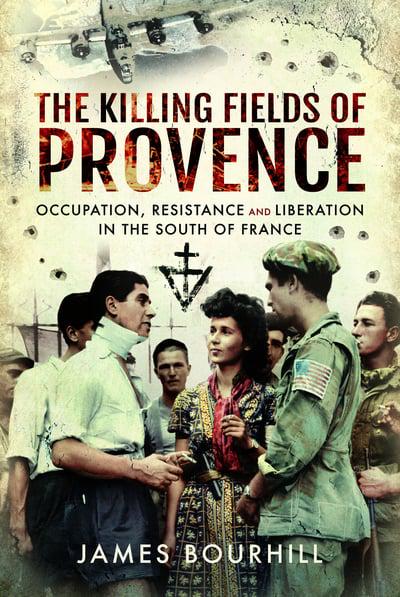 KILLING FIELDS OF PROVENCE
Occupation, Resistance and Liberation in the South of France
1 × £3.99
KILLING FIELDS OF PROVENCE
Occupation, Resistance and Liberation in the South of France
1 × £3.99 -
×
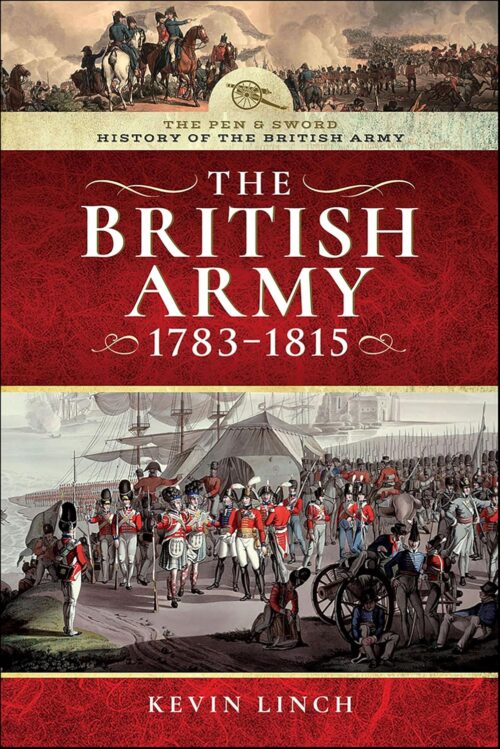 THE BRITISH ARMY 1783 - 1815
1 × £8.99
THE BRITISH ARMY 1783 - 1815
1 × £8.99
-67%

PRAGUE SPRING 1968 Warsaw Pact Invasion
Original price was: £14.99.£4.99Current price is: £4.99.
This exploration of Alexander Dubček and the Prague Spring of 1968 examines Czechoslovakia’s attempted political liberalization and its suppression by 200,000 Warsaw Pact troops. While the reforms were crushed, the events exposed the limits of Soviet control and laid the groundwork for eventual change and the eventual dissolution of the Communist bloc.
In stock