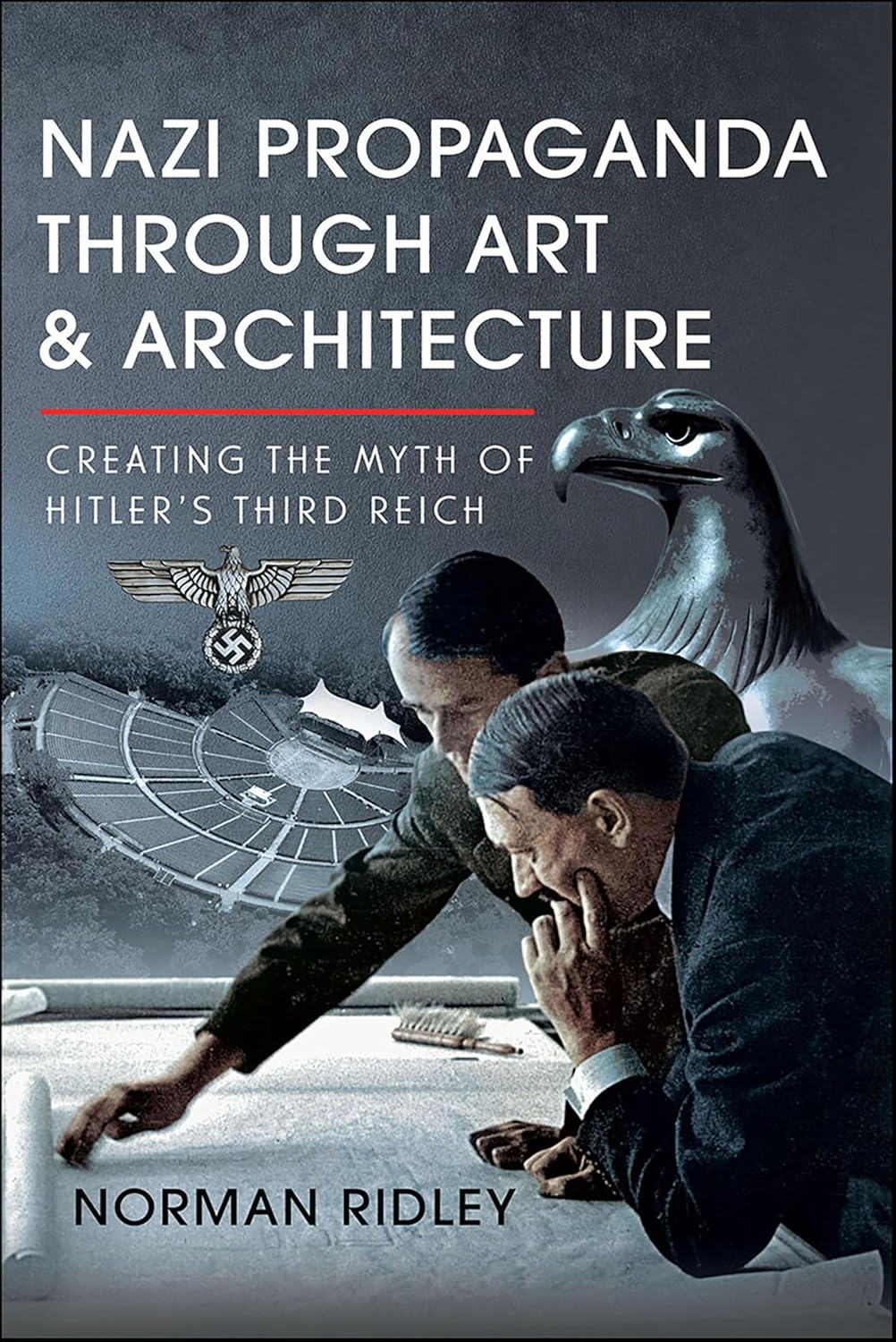

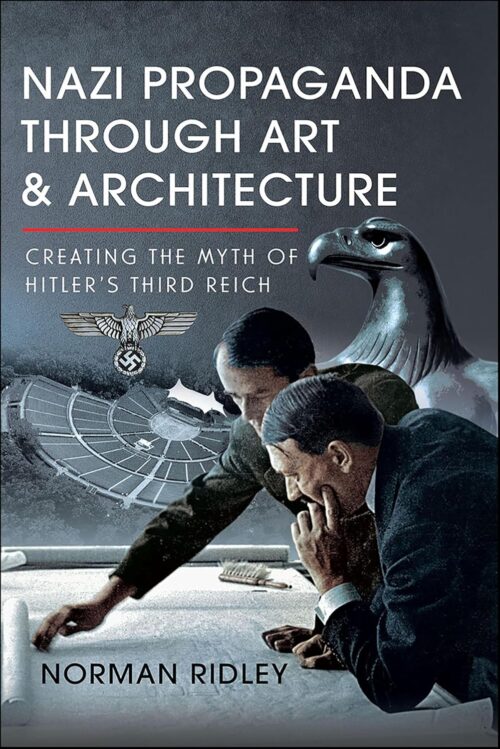

NAZI PROPAGANDA THROUGH ART AND ARCHITECTURE Creating the Myth of Hitler’s Third Reich
Original price was: £22.00.£5.99Current price is: £5.99.
When the Nazis seized power in 1933, they pursued not only coercion but consent, reshaping Germany into a totalitarian state through propaganda. Art became central in constructing an idealised, rural German nation. Hitler’s Viennese artistic ambitions shaped a cultural programme that fused monumental architecture with romantic pastoralism to legitimise Nazi ideology.
Only 19 left in stock
Description
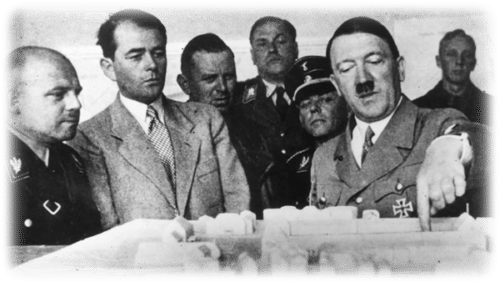
When the Nazis seized power in 1933, they did not rely on coercion alone but sought to manufacture consent, reshaping Germany into a totalitarian state through cultural persuasion. Central to this project was art, deployed as propaganda to construct an idealised vision of German nationhood and guide official cultural policy. This vision proved ideologically complex: while Nazi Germany projected industrial modernity and power, Hitler’s aesthetic ideal remained rooted in a rural, romanticised, quasi-mystical past. His formative years in Vienna—marked by artistic ambition, rejection by the Academy, and a persistent belief in his architectural talent—profoundly shaped this outlook. Despite early failures, he continued to define himself as an artist, often diverting political and military discussions into aesthetic monologues. Nazi Propaganda Through Art and Architecture examines how Hitler’s artistic worldview shaped Third Reich aesthetics, fusing monumental architecture with pastoral idealism to legitimise Nazi power and symbolise Germany’s claimed cultural and political rebirth.
Additional information
| Author/Editor | Norman Ridley |
|---|---|
| Product Code | 32462 |
| Delivery | This item is usually dispatched Next Day |
| Format | Hardback 186 pages + plates |
| ISBN | 9781036100216 |
| Condition | New |
|---|
You may also like…