







NOTES ON THE EMPLOYMENT OF WOMEN ON MUNITIONS OF WAR 1916 With An Appendix On Training Of Munition Workers
Original price was: £9.99.£7.99Current price is: £7.99.
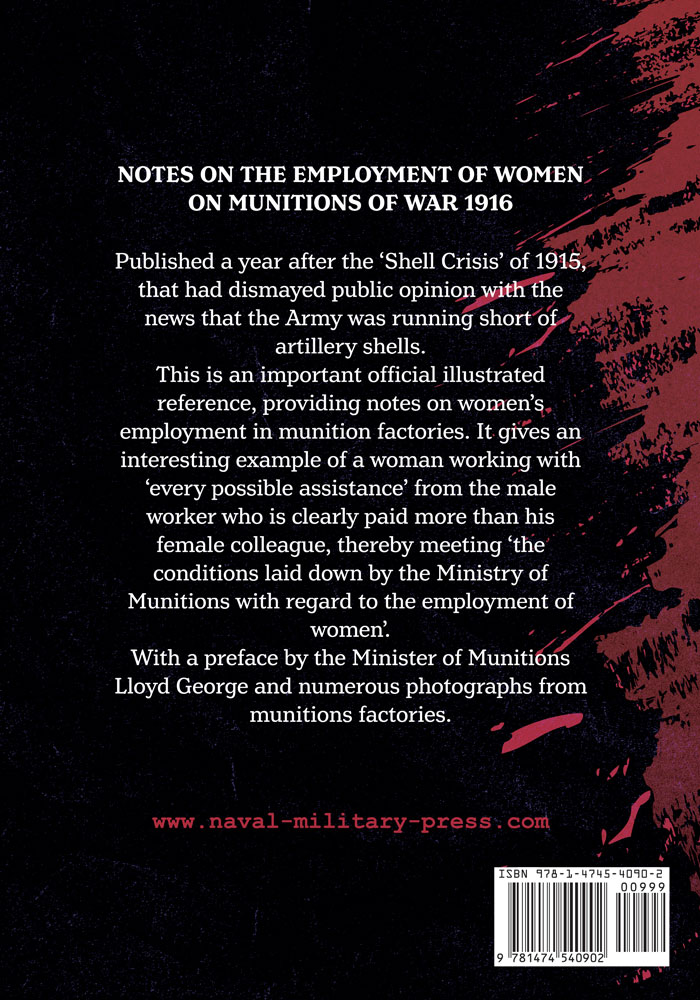
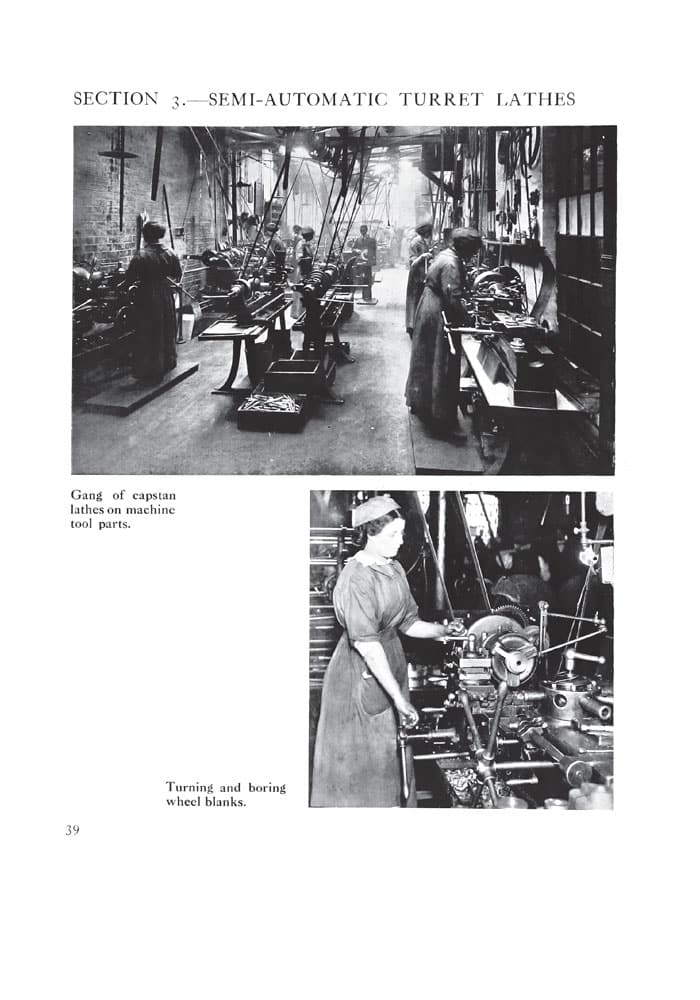
Published a year after the ‘Shell Crisis’ of 1915, that had dismayed public opinion with the news that the Army was running short of artillery shells.With a preface by the Minister of Munitions Lloyd George and numerous photographs from munitions factories.
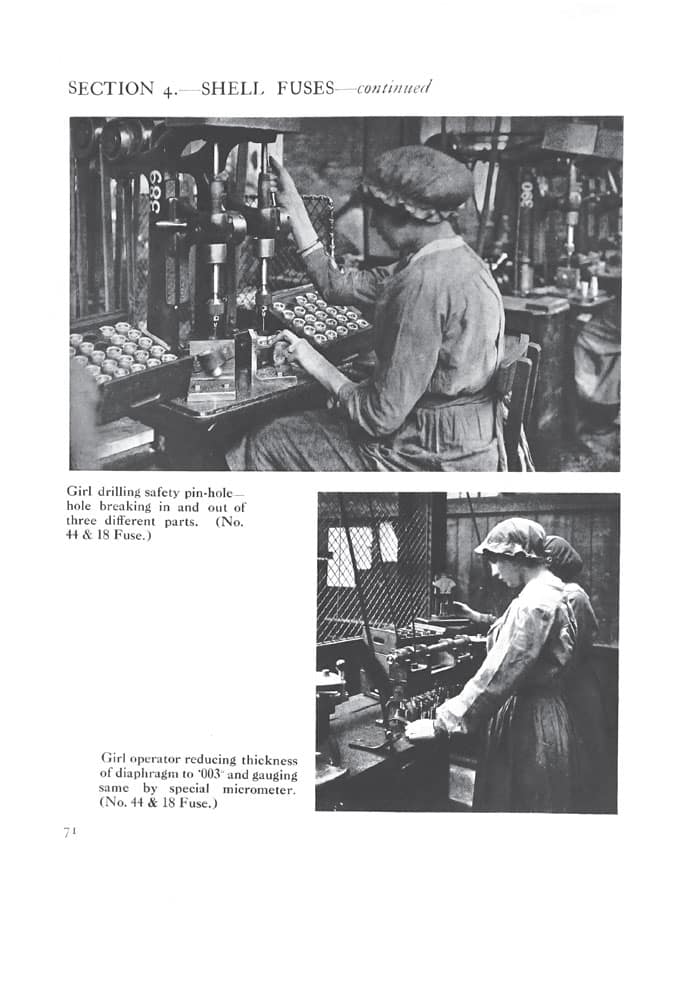
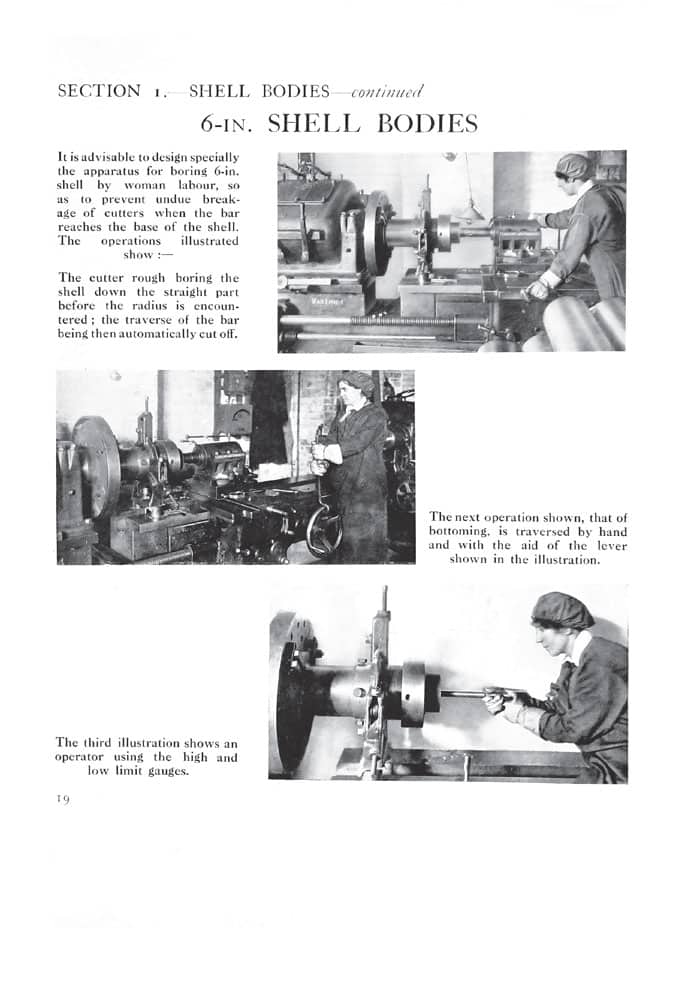
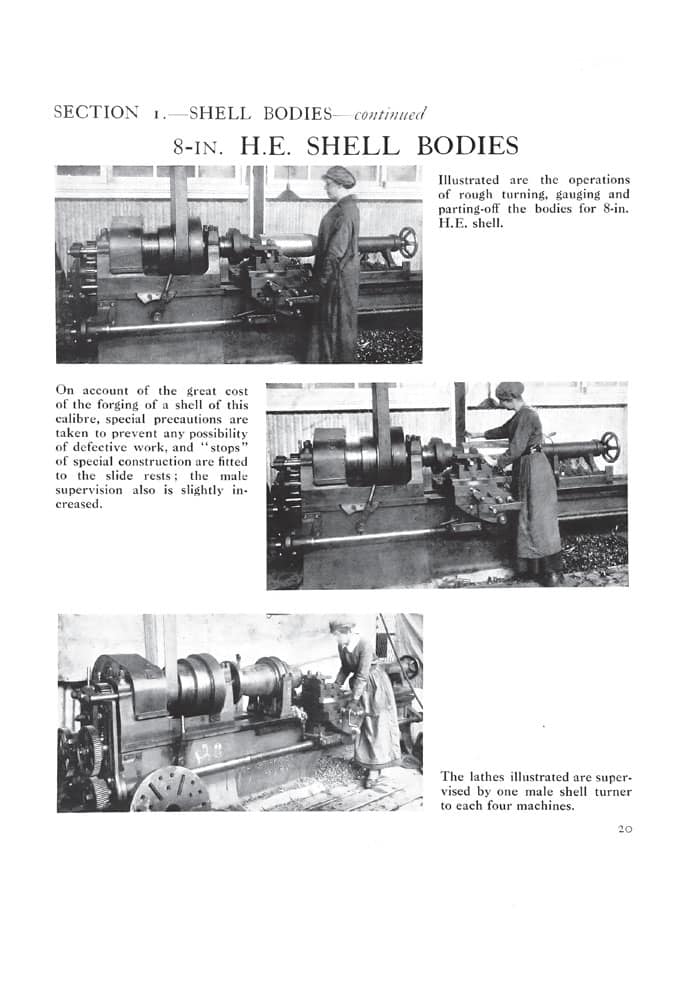
This is an important official illustrated reference, providing notes on women’s employment in munition factories. It gives an interesting example of a woman working with ‘every possible assistance’ from the male worker who is clearly paid more than his female colleague, thereby meeting ‘the conditions laid down by the Ministry of Munitions with regard to the employment of women’.
Description
After the outbreak of war, the shortage of munitions became increasingly acute. While attempts were made to increase production by encouraging overtime among the existing male workforce and through the recruitment of older men, factories were still unable to meet the Government’s desperate need for munitions. Although the Government recognised that it would need to encourage and utilise the remaining female workforce at home, there was great reluctance to introduce women into this type of work, with trade unions concerned about how this would affect the working rights of the men upon their return from war, the hostility of existing male workers to women encroaching on their job opportunities and the general uncertainty as to whether or not women would be capable of such work.
This attitude and concern was shared not only by those in the munitions trade, but more broadly by the workers and employers in trades regarded as ‘men’s work’. Despite these reservations, reports were conducted early on as to the suitability of women to meet the demands of such work. As early as 1915 the Ministry of Munitions Supply Committee made recommendations on the employment and remuneration of women on munitions work. This helped contribute to agreed suitable conditions by which a woman could be employed, and the War Office published several guides as to the employment of women.
Additional information
| Author/Editor | Ministry of Munitions |
|---|---|
| Product Code | 31706 |
| Delivery | Usually despatched within 14 Days |
| Format | 2024 N&M reprint (first pub 1916). SB. 94pp Illustrated throughout |
| ISBN | 9781474540902 |
You may also like…
![Employment of Machine Guns 1918
(Parts One [Tactical] & Two [Organisation and Direction of fire]](https://www.naval-military-press.com/wp-content/uploads/2018/03/9781847348500-500x800.jpg)


