






HISTORY OF THE 2nd Bn. THE ROYAL ULSTER RIFLES IN NORTH-WEST EUROPE 1944-45
Price range: £14.99 through £22.99
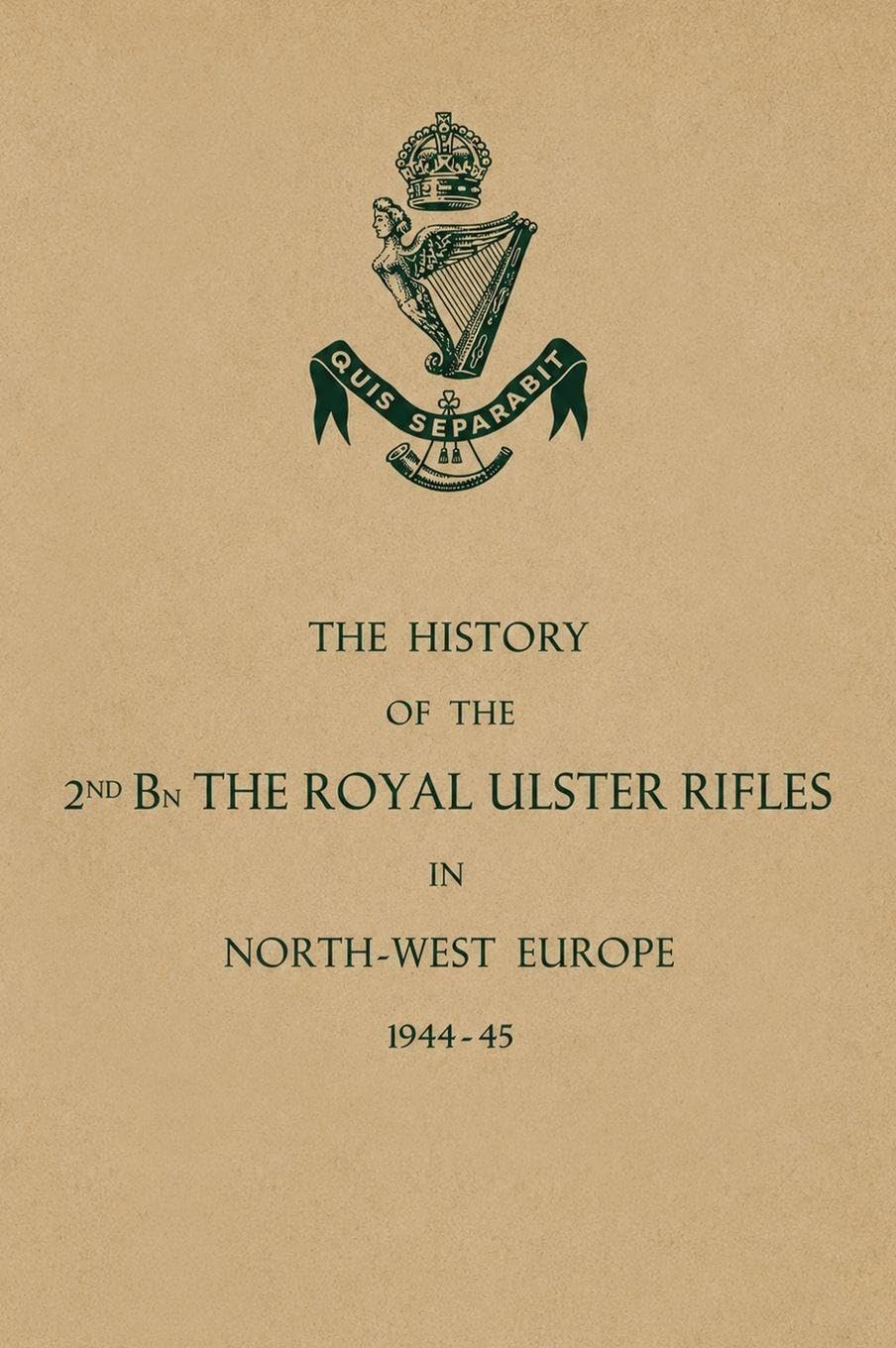
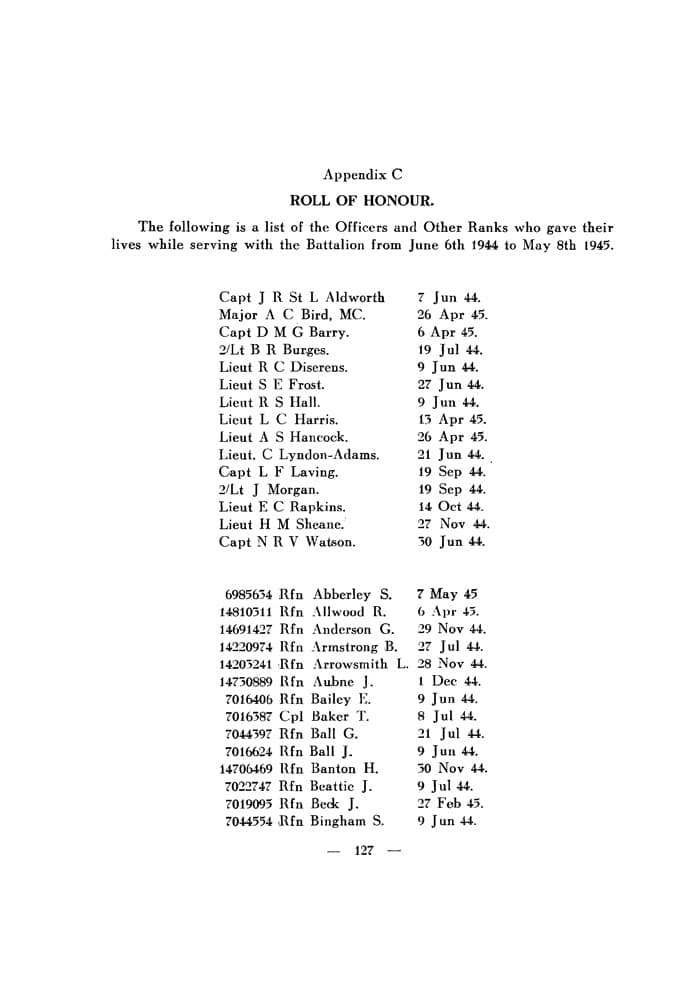
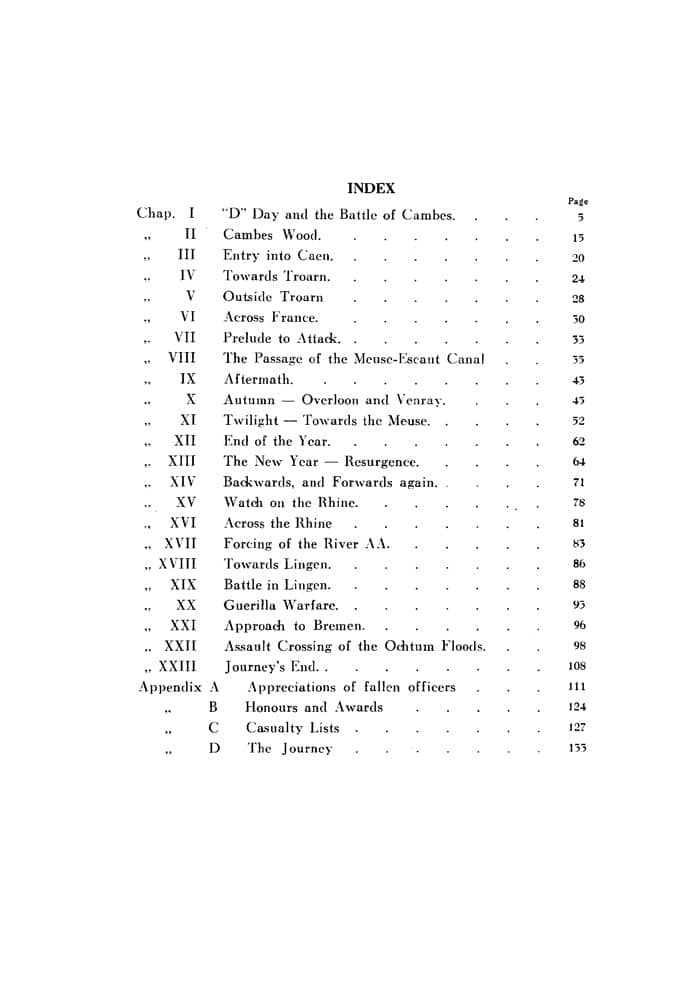
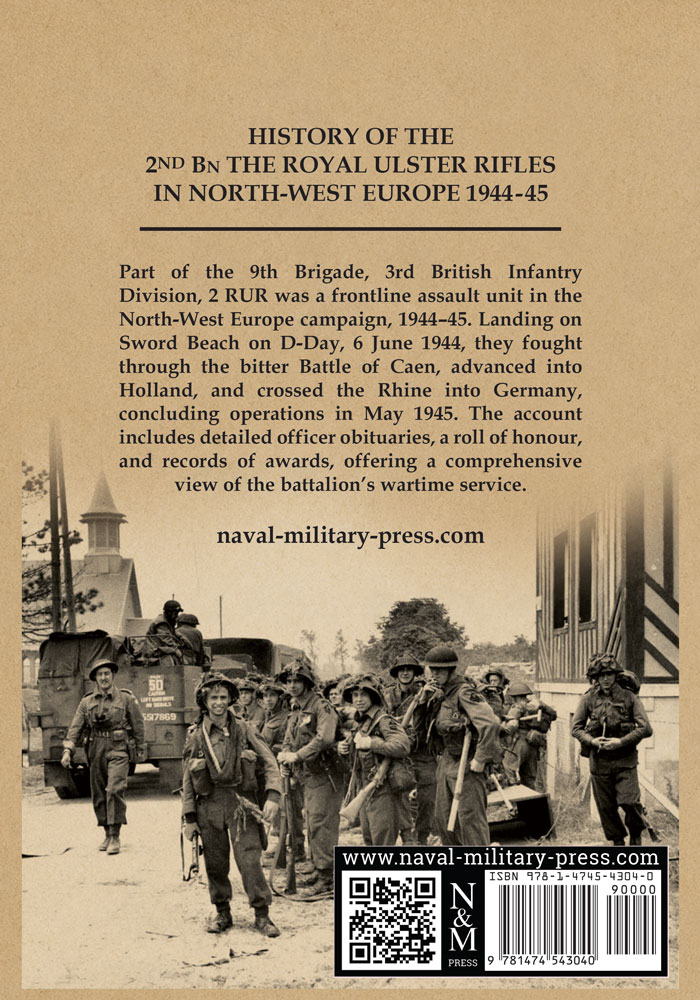
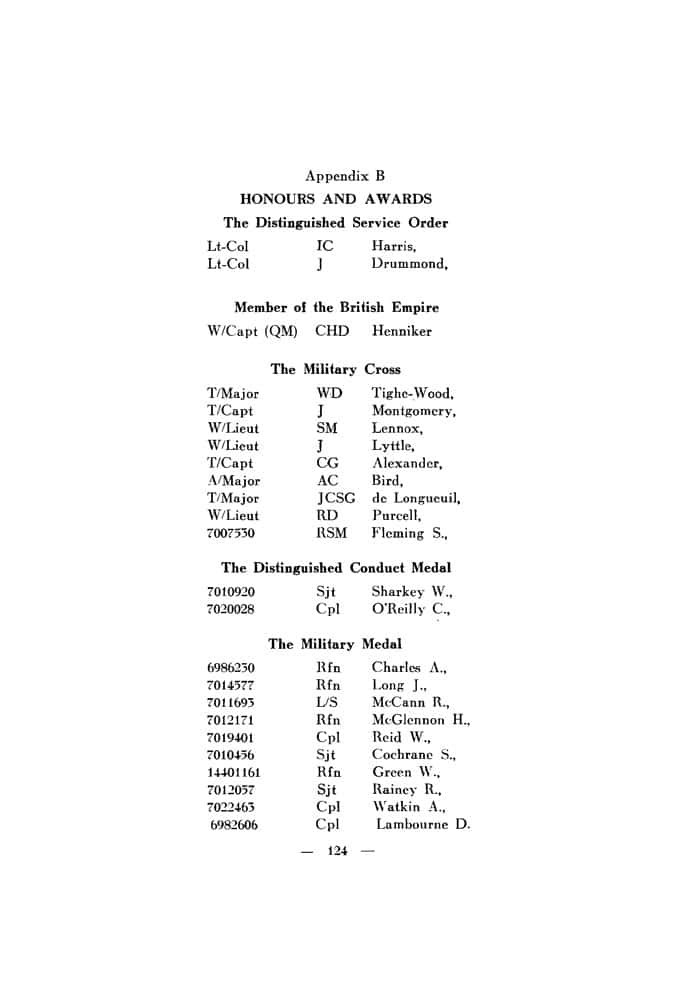
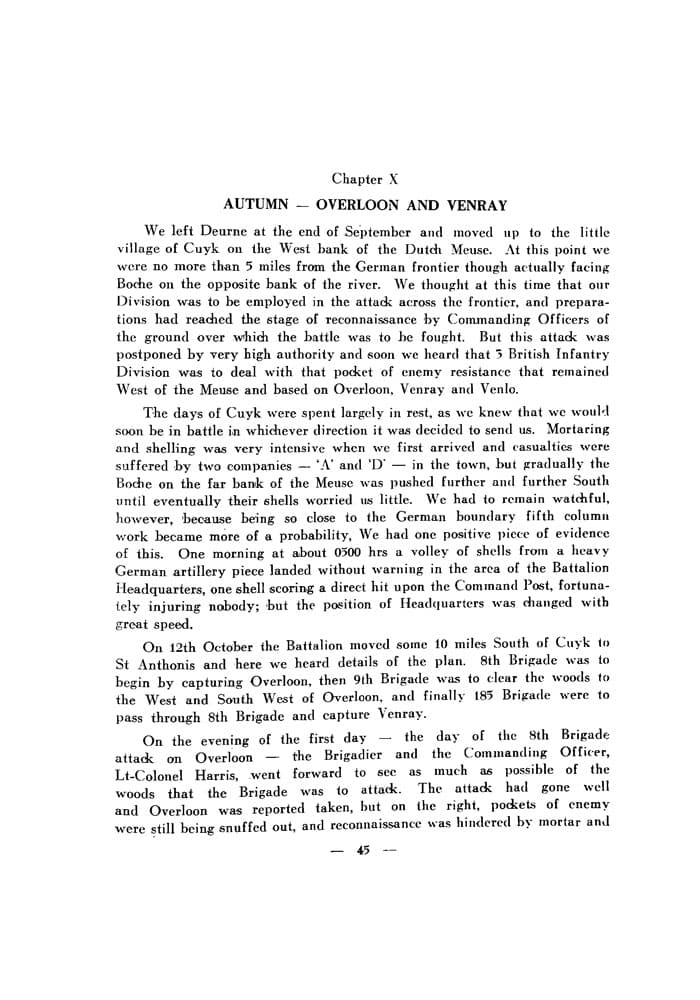
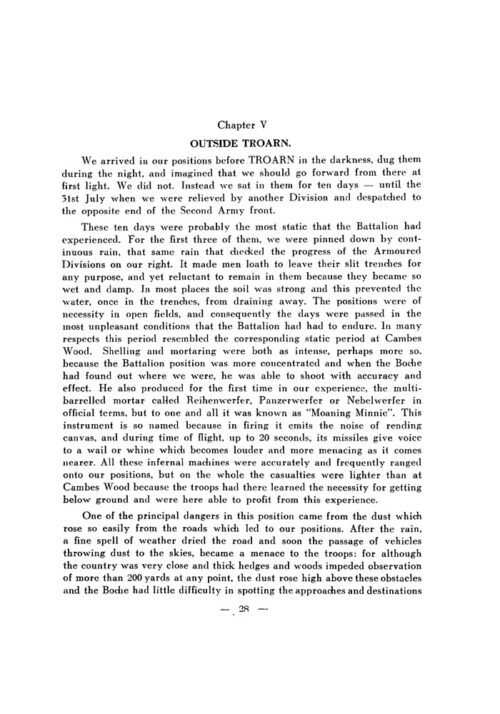
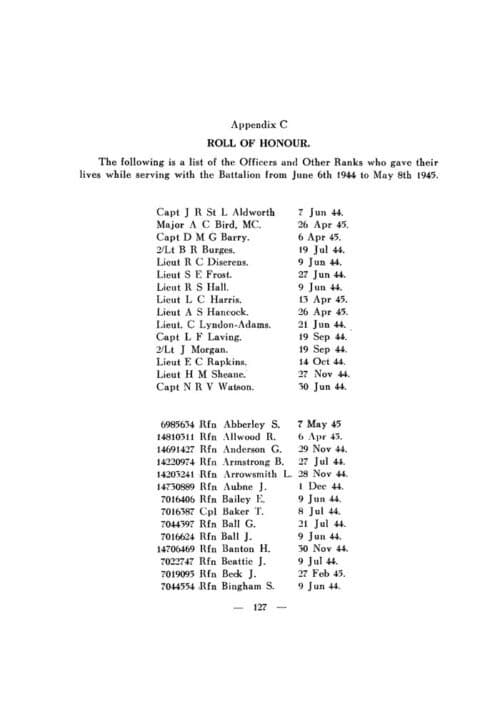
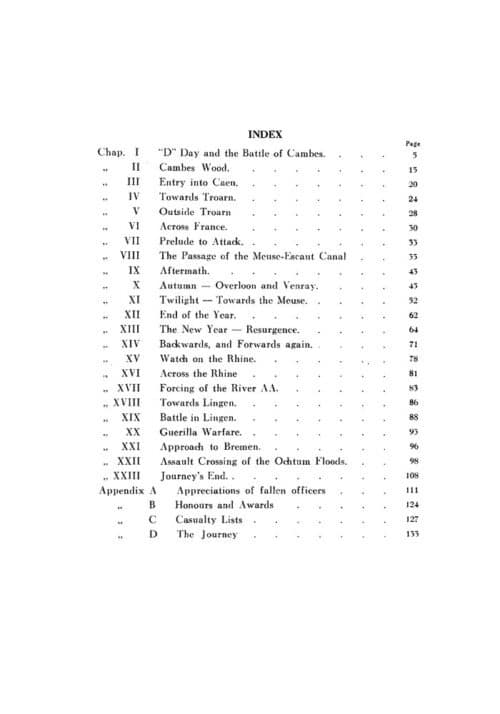
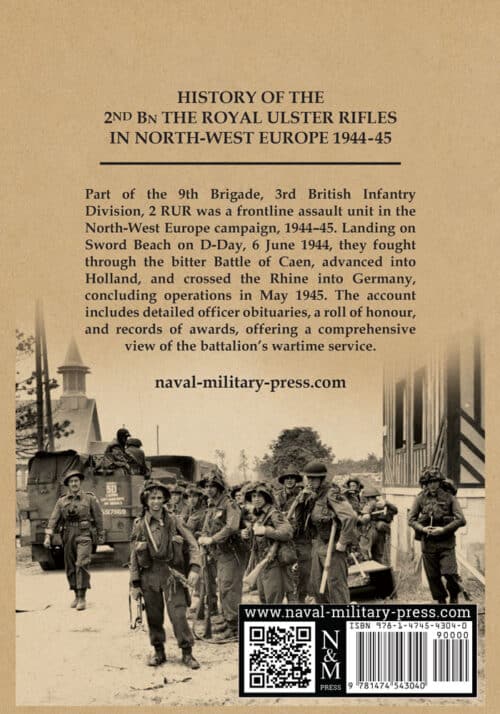
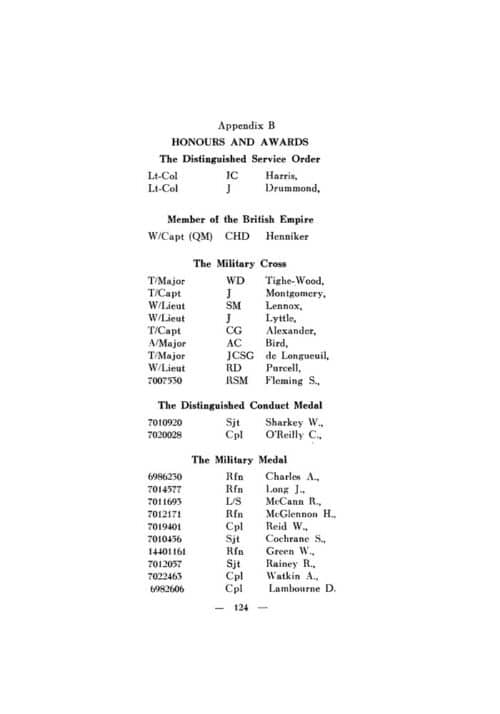
Part of the 9th Brigade, 3rd British Infantry Division, 2 RUR was a frontline assault unit in the North-West Europe campaign, 1944–45. Landing on Sword Beach on D-Day, 6 June 1944, they fought through the bitter Battle of Caen, advanced into Holland, and crossed the Rhine into Germany, concluding operations in May 1945. The account includes detailed officer obituaries, a roll of honour, and records of awards, offering a comprehensive view of the battalion’s wartime service.
Description
The 2nd Battalion, Royal Ulster Rifles (2 RUR), part of the 9th Brigade, 3rd British Infantry Division, played a pivotal role in the North-West Europe campaign.
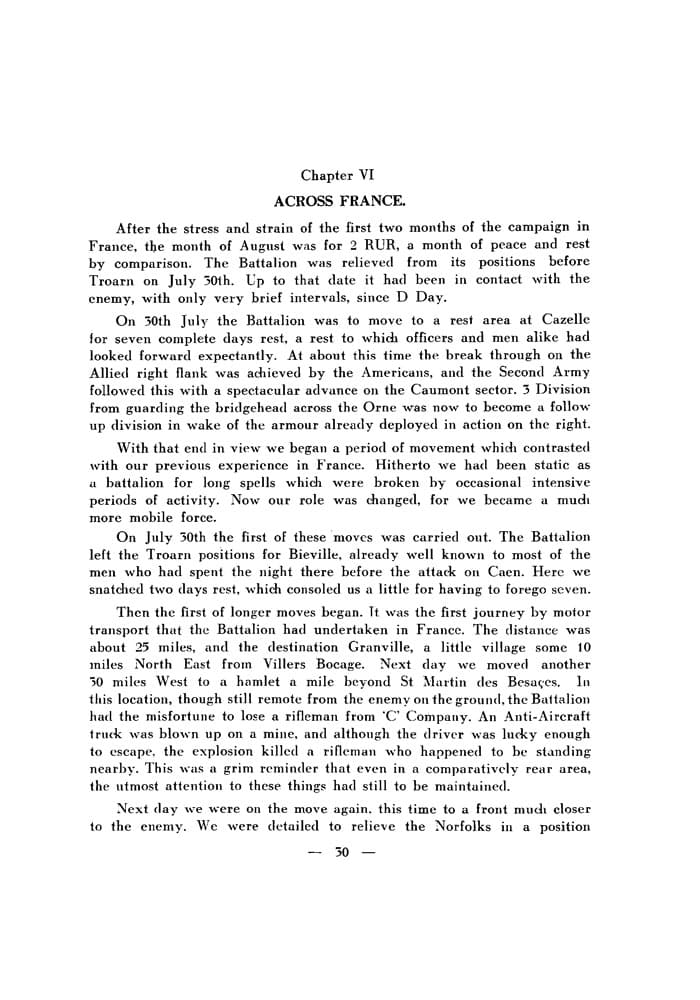
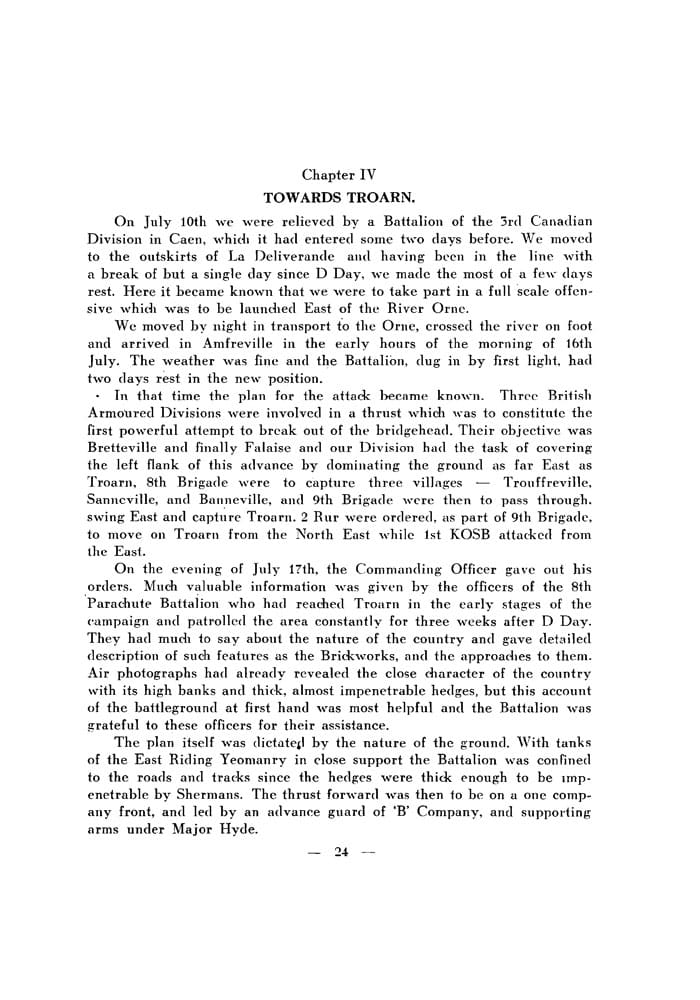
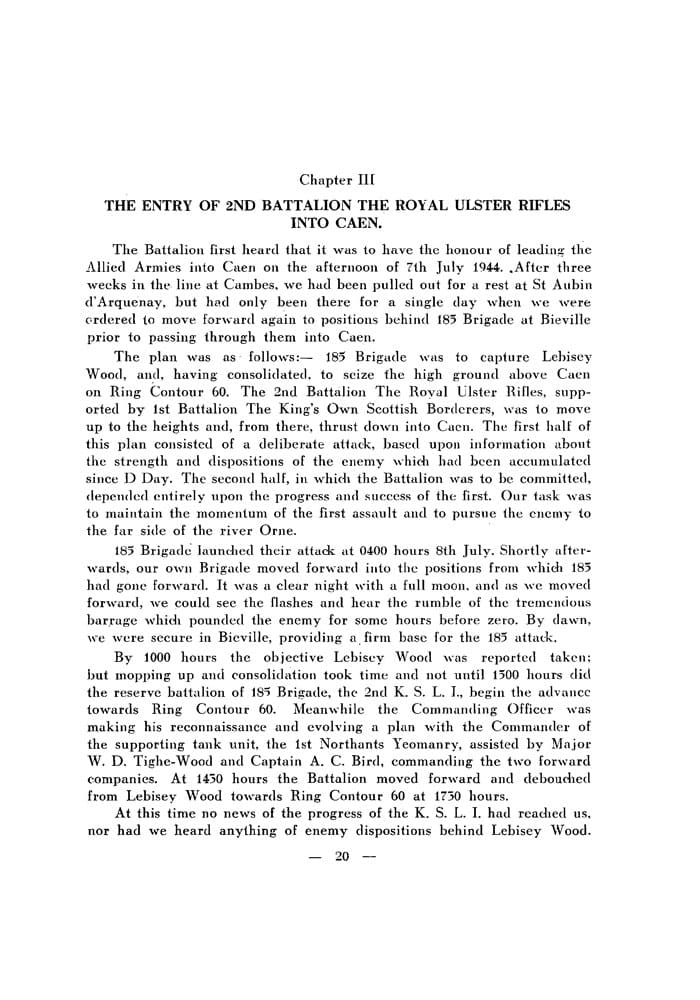
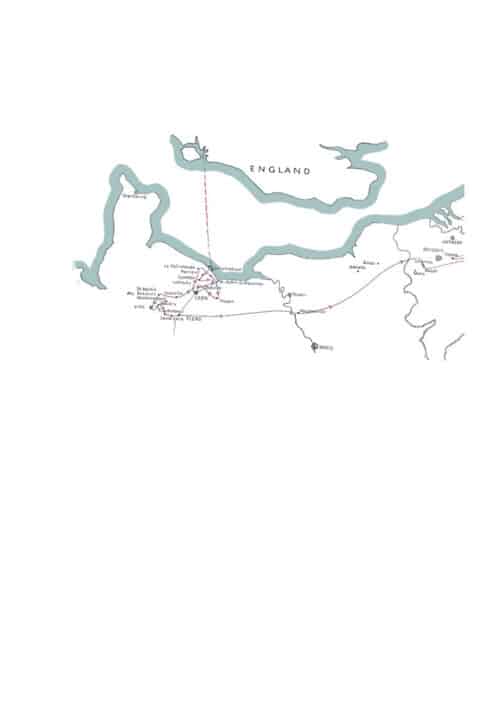
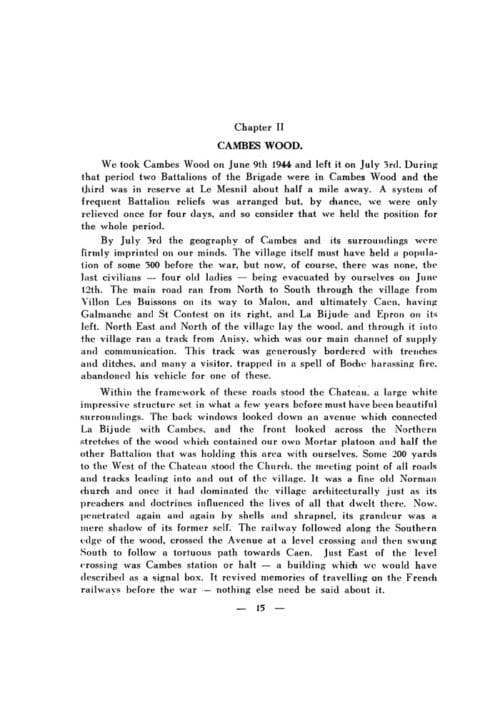
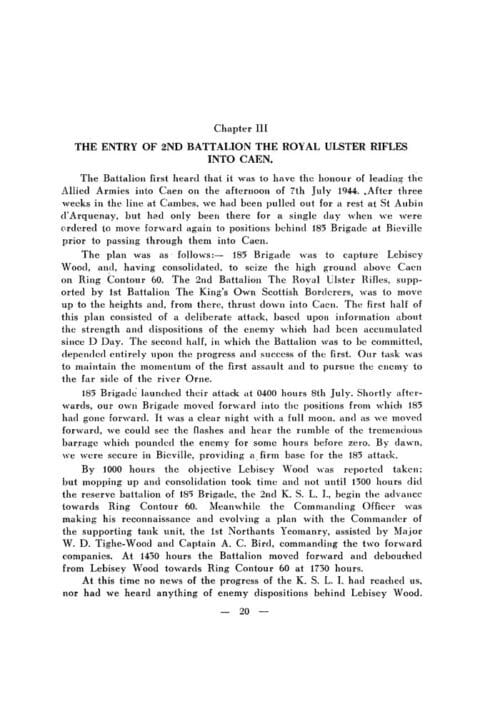
D-Day and the Battle of Normandy: On 6 June 1944, 2 RUR landed at Queen Red Beach near Ouistreham, uniquely deploying both its regular battalions on D-Day. After an initial setback on 7 June, they captured the heavily defended village of Cambes-en-Plaine on 9 June, an action later awarded a Battle Honour. During Operation Charnwood in July, 2 RUR were reportedly the first British troops to enter Caen after weeks of bitter combat. The battalion also participated in major breakout operations, including Operation Epsom and Operation Goodwood, advancing through Giberville and Cussy.
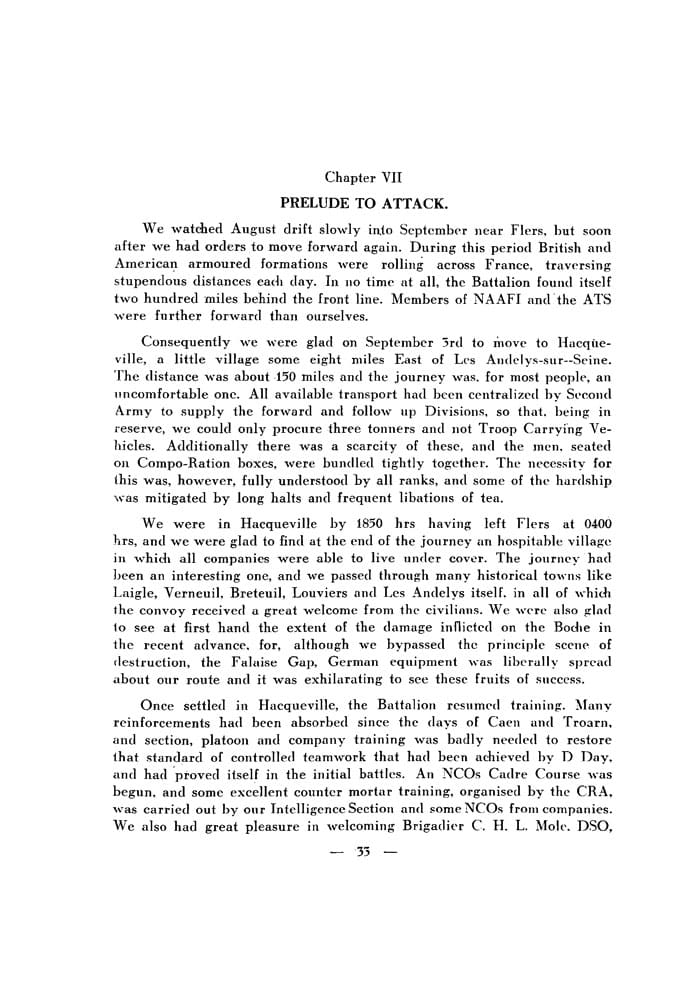
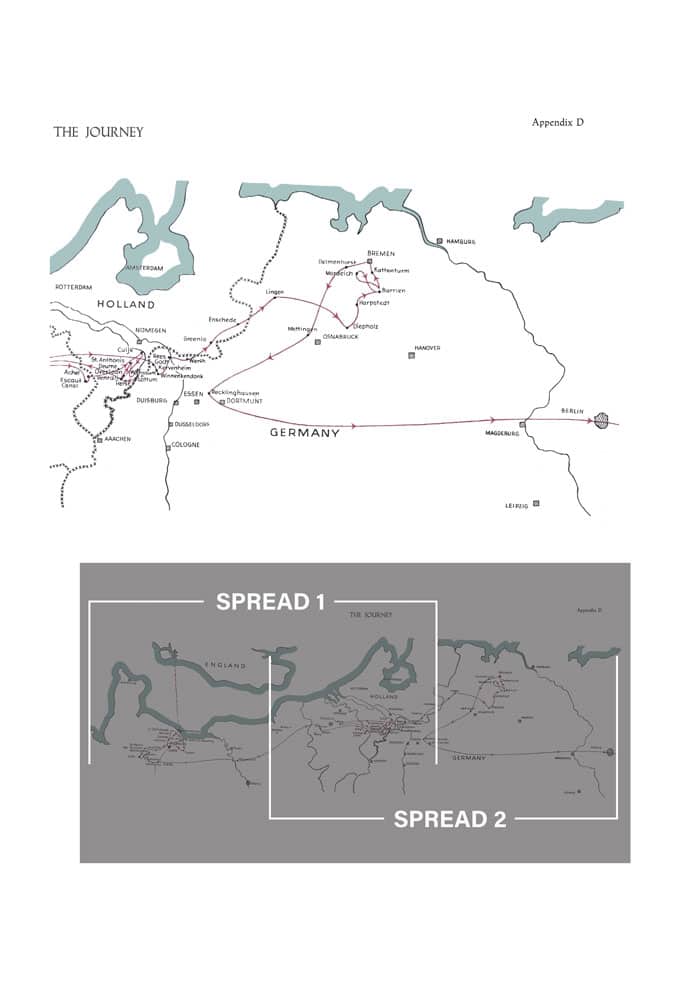
Advance Through the Low Countries: In August, the battalion moved through the Pays d’Auge, becoming the first Allied unit to enter Deauville, welcomed by jubilant crowds. By September, they crossed from Belgium into the Netherlands, passing through Louvain and staging near Naast, with operations near Deurne and Bakel as the front pressed toward the Rhine.
Final Drive into Germany: 2 RUR continued the advance across the Netherlands into Germany, participating in the Rhine crossing and concluding the campaign in Delmenhorst near Bremen at VE Day.
Casualties and Legacy: Over the 11-month campaign, the battalion suffered more than 200 killed. Their valour is commemorated at the Cambes-en-Plaine 2nd Royal Ulster Rifles Memorial in Normandy, marking their enduring contribution to the liberation of Europe.
Originally published in Germany shortly after cessation of hostilities in 1945, and is categorised as rare in it’s original 1945 printing.
Additional information
| Author/Editor | |
|---|---|
| Product Code | 32511 |
| Delivery | Usually despatched within 14 Days |
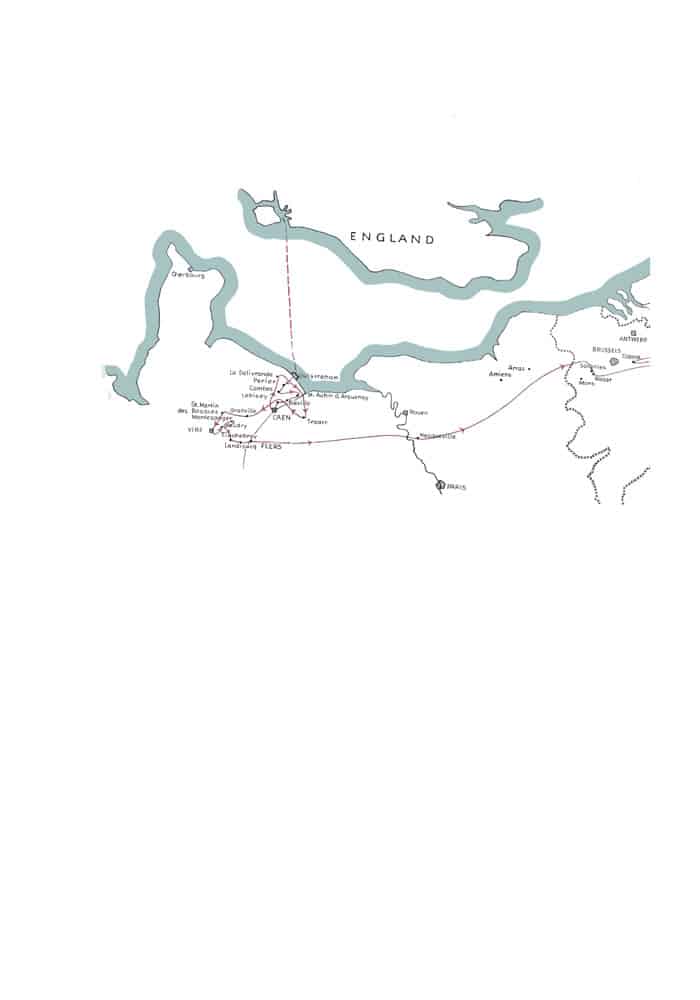
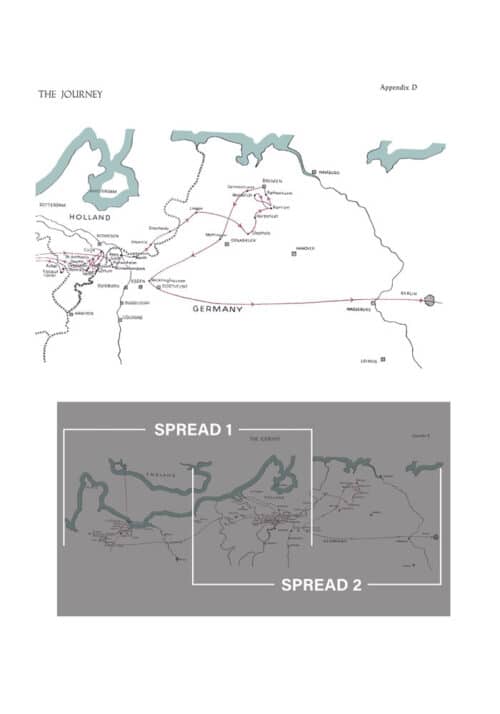
| Format | 2026 N&MP reprint (of original pub c1945). 132pp., with 1 map in colour |
| ISBN | 9781474542814 |
| Condition | New |
|---|
You may also like…